Browse Month

May 2019

Masjid Al-Aqsa – The Far-off Mosque

Half the magnetism of a masterpiece is its history; physical aesthetics complete the other half. Jerusalem’s Masjid Aqsa affirms this. Its history is daunting, replete with nasty political storms, bloody wars, frequent damage by earthquakes, incendiary lunatics and, of course, bitter controversy. But its aesthetic beauty is sublime. Mr Niezaar Abrahams requested this brief narrative that really needs volumes to do it justice. 

Keep Reading

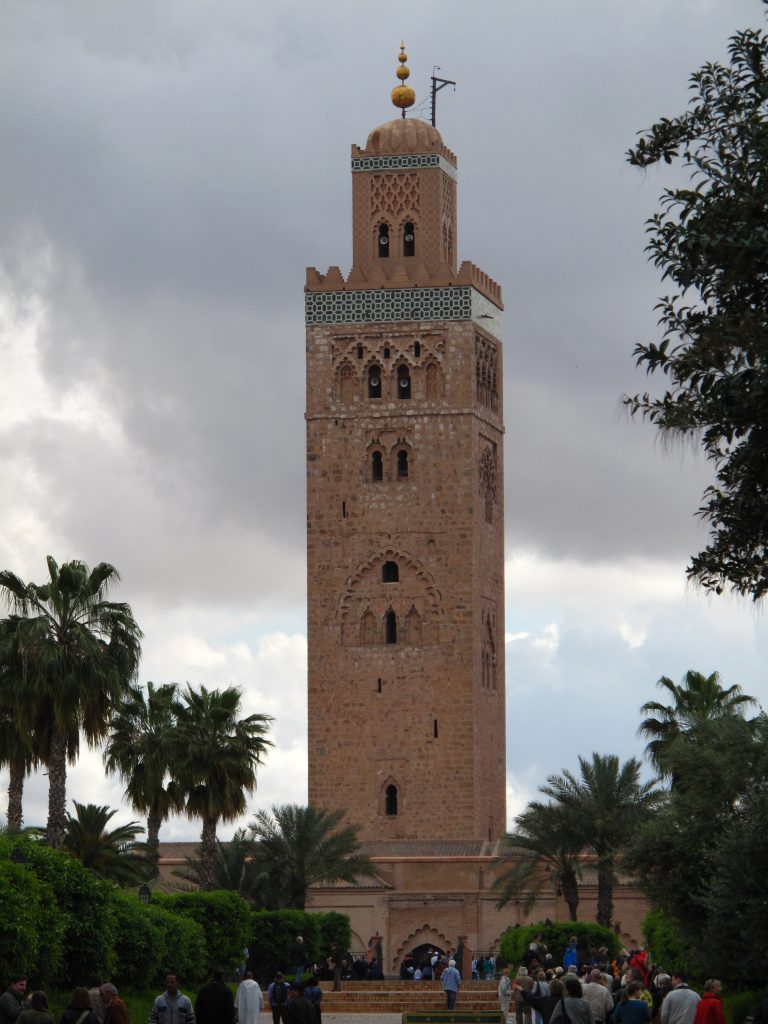
Medleys of Minarets


The square minaret of the Koutoubia Mosque of Marrakesh. A replica in Seville, Spain was converted into a cathedral when the Muslims lost Spain in 1492. Photo: M. C. D’arcy

Around the world a medley of minarets adorn mosques of the Muslim faith. Some seem quaint and simple; others are thrillingly ornate, ethereal. The minarets in our vision will be the fascinating ones, those painted with reverence and entwined in history, art and nostalgia.

            Manāra is the Arabic word for lighthouse. (English: minaret). Most minarets consist of a base, a tower and a gallery from which the muezzin delivers the athan (call to prayer). Locally the muezzin was, and is still, referred to as the Bilal.In old Cape Town this athan-call was referred to as: Bung (Bahasa Malayu) (Afrikaans – hy bang).

Keep Reading

When Minarets Go Silent…

Minarets are harbingers of prayer. Over ime they have also become iconic symbols of Islam. These fascinating fingers of faith reach to the skies, and from their heady balconies come the athan (call to prayer). The bilal’s (reciter’s) voice, unique intone and musicality, remind the faithful to heed the five daily salaahs (prayers). That will soon be in the past. Minarets are now adorned with loudspeakers blaring across the airwaves. In some rural areas, the daily athans are still recited by living, breathing souls; sadly in many cities they are mere recorded recitals, impoverished of warmth and spirit.

Keep Reading