Survival in the Grip of the Virulent Virus: Corona-19

You’re locked down by the virulent Corona-19 virus, confined between four walls of fear and boredom. You’re edgy, tight as the strings of an Indian Sitar. Frustration pounds and throbs; it’s the tic-a-tack-tack of the tabla drumlets, the migraine throb of the African voodoo drums and the din of the orchestra’s kettle drums booming and booming in your head. It’s not going away. When is the nausea finished, destroyed, gone? When?

Open a window. Peep through the door. The sky is blue, the clouds are white. The earth is wet with rain, green with grass dotted with autumnal flowers, yellow, blue and red. They are soothing colours for the soul. There is life out there; the future will come. But what must I do to spark light for the present?

Keep Reading

Masjid Al-Aqsa – The Far-off Mosque

Half the magnetism of a masterpiece is its history; physical aesthetics complete the other half. Jerusalem’s Masjid Aqsa affirms this. Its history is daunting, replete with nasty political storms, bloody wars, frequent damage by earthquakes, incendiary lunatics and, of course, bitter controversy. But its aesthetic beauty is sublime. Mr Niezaar Abrahams requested this brief narrative that really needs volumes to do it justice. 

Keep Reading

Medleys of Minarets


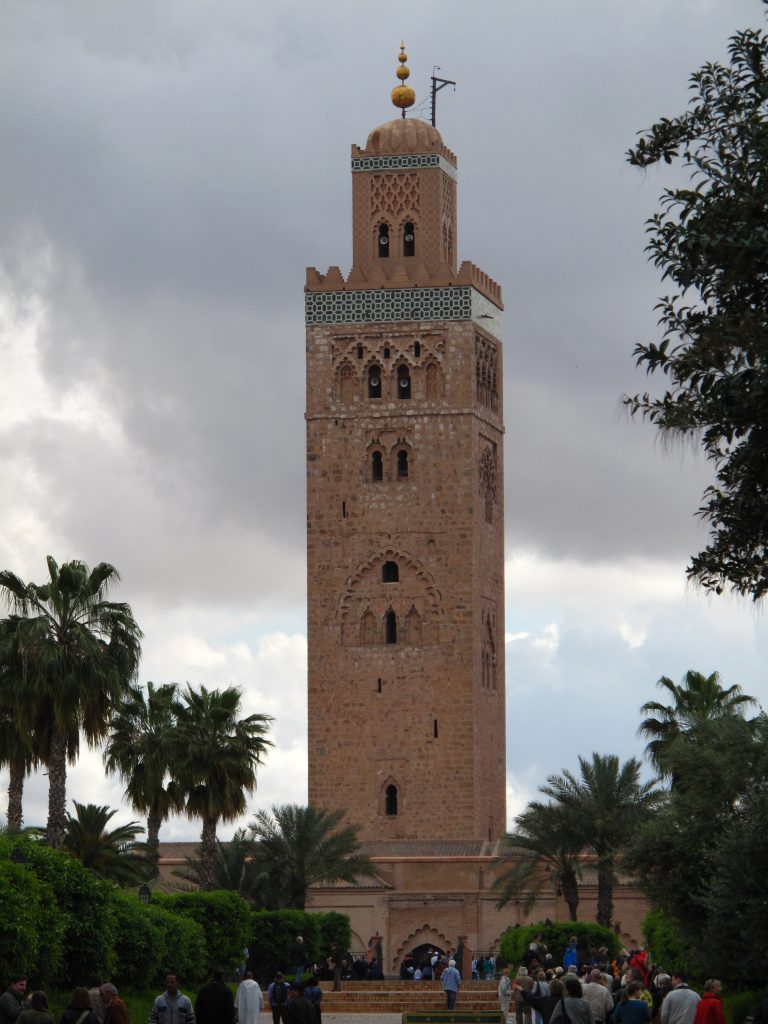
The square minaret of the Koutoubia Mosque of Marrakesh. A replica in Seville, Spain was converted into a cathedral when the Muslims lost Spain in 1492. Photo: M. C. D’arcy

Around the world a medley of minarets adorn mosques of the Muslim faith. Some seem quaint and simple; others are thrillingly ornate, ethereal. The minarets in our vision will be the fascinating ones, those painted with reverence and entwined in history, art and nostalgia.

            Manāra is the Arabic word for lighthouse. (English: minaret). Most minarets consist of a base, a tower and a gallery from which the muezzin delivers the athan (call to prayer). Locally the muezzin was, and is still, referred to as the Bilal.In old Cape Town this athan-call was referred to as: Bung (Bahasa Malayu) (Afrikaans – hy bang).

Keep Reading

When Minarets Go Silent…

Minarets are harbingers of prayer. Over ime they have also become iconic symbols of Islam. These fascinating fingers of faith reach to the skies, and from their heady balconies come the athan (call to prayer). The bilal’s (reciter’s) voice, unique intone and musicality, remind the faithful to heed the five daily salaahs (prayers). That will soon be in the past. Minarets are now adorned with loudspeakers blaring across the airwaves. In some rural areas, the daily athans are still recited by living, breathing souls; sadly in many cities they are mere recorded recitals, impoverished of warmth and spirit.

Keep Reading

Troy and its Travails


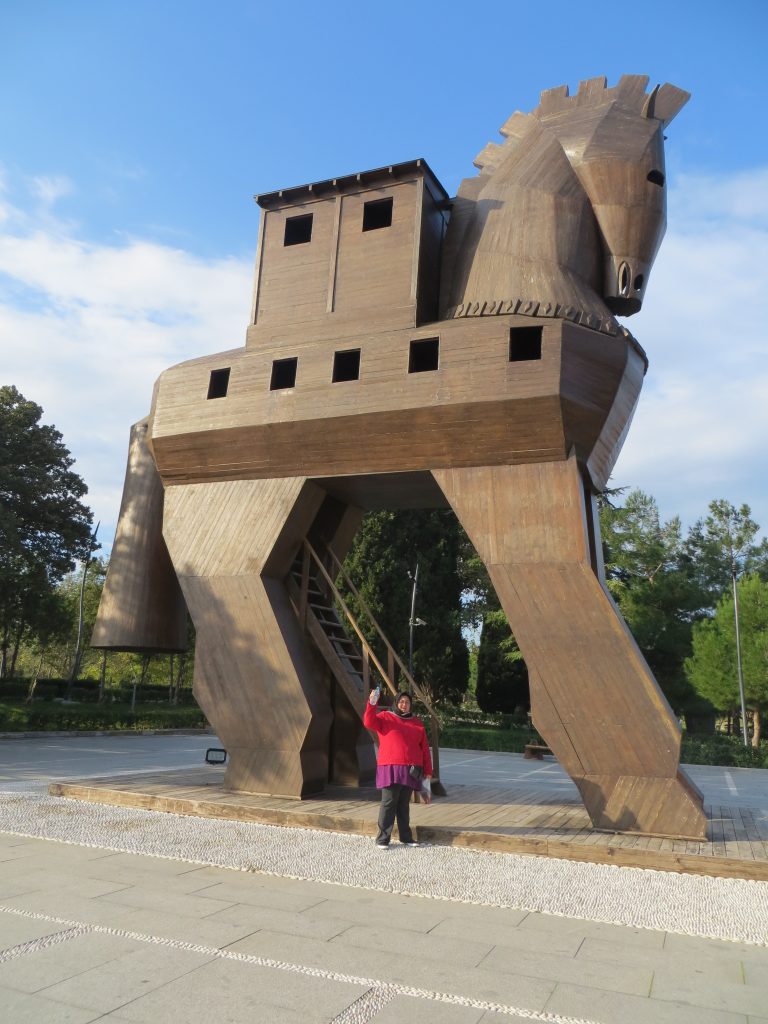
(Shameema Dharsey at the Wooden Horse at Troy ‘replica’ for tourists. © Photo: M. C. D’arcy

The giant wooden horse stands silent amongst the excavated ruins of Troy; its sleek beauty belies its sinister historic intent. This modern horse is for tourists. But, once long ago another wooden horse, a ‘gift from the Greeks’, spelled death by fire and sword of a vibrant incarnation of the glorious city of Troy, Queen of Asia Minor, in what is now Turkey. This Troy goes back to 1600 BCE, its history tumultuous, but only the Trojan wars of love, lust and betrayals, as extolled by the blind Greek historian and poet Homer in his Iliad and Odyssey epic poems, live on today; a favourite subject of the movies.

Keep Reading

Heavenly Art and Hot Air Balloons.

The Hagias Sophia in Istanbul is doubtless a gem of architecture. Built as a church in 537CE by the Byzantines, it was the biggest church in the world. In 1453 Mehmet II conquered Constantinople and converted it into a mosque. With the secularisation of Turkey in the nineteen twenties, the mosque was turned into a museum. It is now being restored to its initial glory.

Keep Reading

The Blue Mosque of Sultan Ahmed I – Architectural Caviar

A journey of discovery is sterile and insipid without an inkling of what the eyes are seeing, what music the ears are hearing, and what rich and wondrous tales of history that the intellect can savour.

In a 2013 census, Turkey had over 82 thousand mosques. Our tour-guide snidely commented: ‘That’s too many.’ Perhaps so for a follower of the rigid secular state that the autocratic regime of Mustafa Kamal Attaturk instilled following the post World-War I collapse of the Ottoman Empire Caliphate in 1924.

Keep Reading

Lithograph Delights

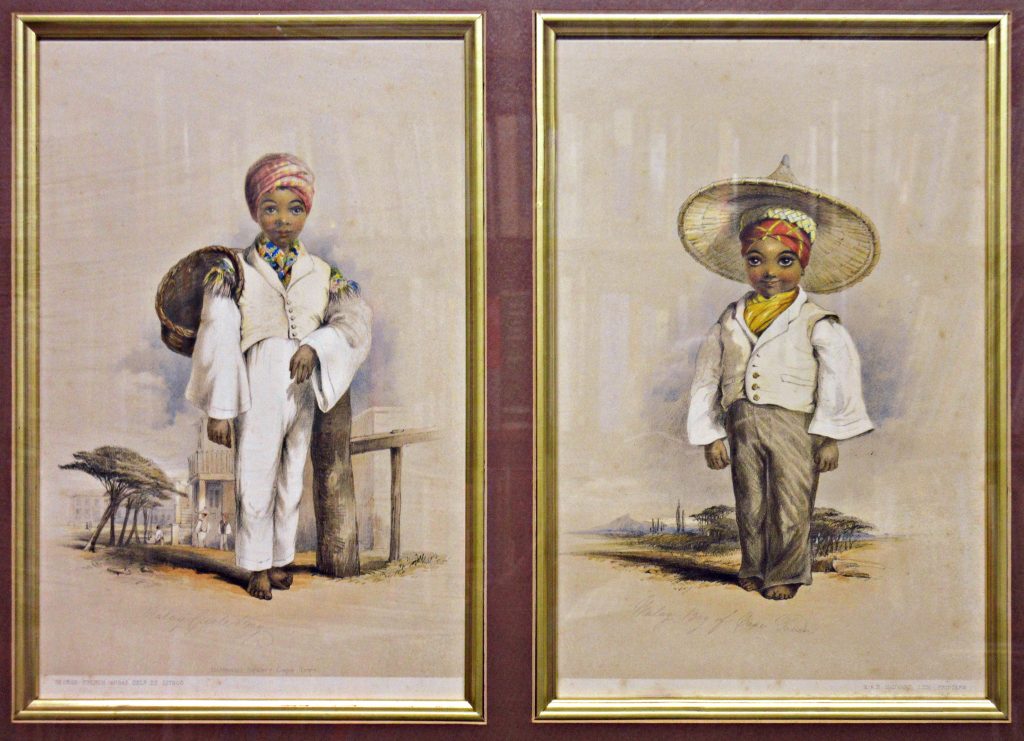
Should I? Or shouldn’t I buy it? I scratched my head. The elongated wooden frame held two pictures, one rather faded, the other glowing like yesterday’s muted sunlight, a little soft, suffused with gentle colours that caressed the eyes. I knew I had to look closer. The pictures were old. They depicted vistas of the far-off Sea of Galilee at the northern tip of the great Rift-Valley as it meanders through the Holy Land of ancient Palestine. The limpid sea reflects the surrounding hills, palms, a mosque and a distant fortress. Tiny figures dot the foreground lending measure to the epic landscape. It was gourmet-art to savour slowly.

Keep Reading

Rumi – Sufi and Poet

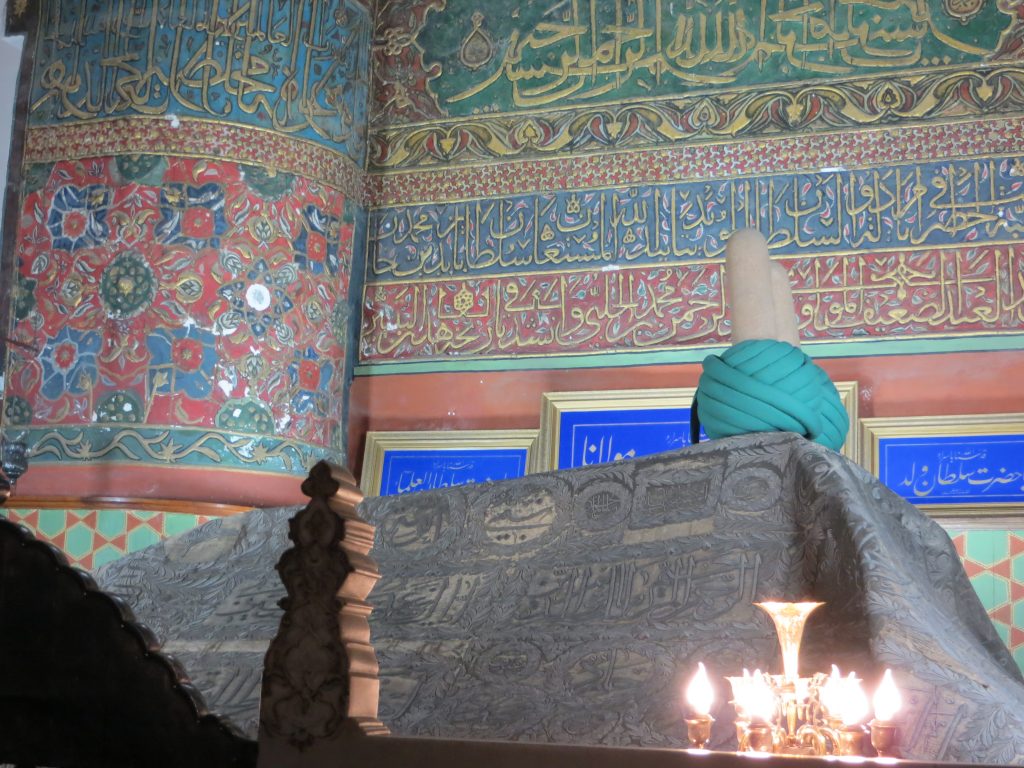
The green fluted edifice jutting from the roof of Sufi Jalaludin Rumi’s mausoleum in Konya, Turkey, is crowned with a green tiled cone; it is from the hand of the greatest architect of the Ottoman Empire, Mimar Sinan. Never-ending crowds stream past Rumi’s tomb, ornately housed, but intimately attached to the very house that Rumi lived in and practiced his ethos of the Divine and the self synergistically entwined. Controversial? Yes, even in his living days he was clothed in absolute adoration and bitter acrimony. Legendary Sufi and judge, Nasrudin Hoça, who lived close by in Akşerhir, detested him.

Keep Reading